
What Does Glutathione Do and Why Do People Get It by Injection?
Table of Contents
- 1. What Glutathione Actually Is
- 2. The Primary Functions of Glutathione in the Body
- 3. How Glutathione Affects Skin Health
- 4. Glutathione Injection: Why the Delivery Method Matters
- 5. What a Glutathione Injection Is Used For
- 6. Who Tends to Have Lower Glutathione Levels
- 7. What to Expect From a Glutathione Injection
- 8. Frequently Asked Questions
- 9. Weighing What the Evidence Actually Shows
You have probably seen glutathione mentioned in wellness conversations, skincare discussions, or IV therapy menus. If you have wondered what it actually is, what it does in the body, and why someone would choose to get a glutathione injection rather than take a supplement, this post covers all of it.
Glutathione is not a trend. It is one of the most studied antioxidants in clinical research, and it plays a role in processes that affect nearly every cell in the body. Understanding what it does and how injection delivery works helps you evaluate whether it is something worth discussing with a provider.
1. What Glutathione Actually Is
Glutathione is a tripeptide, meaning it is composed of three amino acids: glutamine, cysteine, and glycine. The body synthesizes it naturally in virtually every cell, with the highest concentrations found in the liver where detoxification activity is most intensive.
Unlike many antioxidants that must be obtained entirely through diet, glutathione is produced endogenously. That said, production declines with age, and it can be depleted by chronic stress, poor nutrition, environmental toxin exposure, excessive alcohol consumption, and certain medications. When glutathione levels fall significantly, the body’s capacity to manage oxidative stress and support cellular repair is reduced.
It is sometimes referred to in the clinical literature as the body’s master antioxidant because of the breadth of its functions and its role in recycling other antioxidants including vitamins C and E back into their active forms after they have been oxidized.
2. The Primary Functions of Glutathione in the Body
Glutathione serves several distinct physiological roles that extend well beyond basic antioxidant activity.
Neutralizing free radicals and oxidative stress
Free radicals are unstable molecules produced as byproducts of normal metabolism, as well as through exposure to pollution, UV radiation, and other environmental stressors. In excess, they damage cell membranes, proteins, and DNA. Glutathione directly neutralizes these reactive oxygen species, protecting cells from the cumulative damage that contributes to aging and chronic disease.
Supporting liver detoxification
The liver uses glutathione extensively in both phase one and phase two detoxification pathways. According to a literature review published in PMC, glutathione plays a central role in reducing oxidative stress and facilitating detoxification, with research demonstrating its ability to improve liver function markers in patients with non-alcoholic fatty liver disease. It binds to toxins, heavy metals, and metabolic waste products, making them water-soluble and easier for the body to excrete.
Regulating immune function
Glutathione is required by immune cells to function properly. According to a review published in PMC, glutathione protects host immune cells through its antioxidant mechanism and supports the optimal functioning of lymphocytes and other cells of the immune system. Without adequate glutathione, immune cells are less capable of mounting an effective response to infection or inflammation.
Recycling other antioxidants
One of glutathione’s less discussed but clinically significant roles is its ability to regenerate oxidized vitamins C and E back into their active forms. This means that adequate glutathione levels extend the functional lifespan of other antioxidants in the body, creating a compounding protective effect.
Supporting energy production
Mitochondria, the organelles responsible for producing cellular energy, are particularly vulnerable to oxidative damage. Glutathione protects mitochondrial DNA and membranes from free radical damage, supporting sustained energy production at the cellular level.
3. How Glutathione Affects Skin Health
Skin health is one of the most frequently discussed applications of glutathione in wellness settings, and the research behind it is more substantive than most people realize.
Glutathione influences skin appearance through two primary mechanisms. The first is its antioxidant activity, which reduces oxidative stress in skin cells and slows the visible effects of UV-related and environmental aging. The second involves its effect on melanogenesis, the process by which the body produces melanin. Glutathione inhibits the enzyme tyrosinase, which is involved in melanin production, which can reduce the appearance of hyperpigmentation and uneven skin tone over time.
According to a systematic review published in PubMed, glutathione plays a central role as a regulator of redox homeostasis, melanogenesis, and cellular repair, and has gained increasing clinical attention for its applications in skin brightening, anti-aging, and tissue regeneration. The review found that injectable glutathione increases systemic levels rapidly, though the duration of effects varies and consistent administration is typically required to maintain results.
Key skin-related effects supported by clinical research include:
- Reduction in oxidative stress markers in skin cells
- Inhibition of tyrosinase to address hyperpigmentation
- Support for collagen integrity through antioxidant protection of dermal structures
- Improvement in skin hydration and brightness markers in clinical studies
- Protection against UV-induced cellular damage
4. Glutathione Injection: Why the Delivery Method Matters
The method by which glutathione is administered significantly affects how much actually reaches systemic circulation and how quickly it takes effect. This is the core reason why injection has become a preferred delivery method for people who want measurable results.
Oral glutathione faces a significant bioavailability challenge. The digestive system breaks down much of the tripeptide before it can be absorbed intact, and what does reach the bloodstream is often in a reduced or oxidized form that is less therapeutically active. Some formulations using liposomal encapsulation improve oral absorption, but even these fall short of the systemic levels achievable through direct injection.
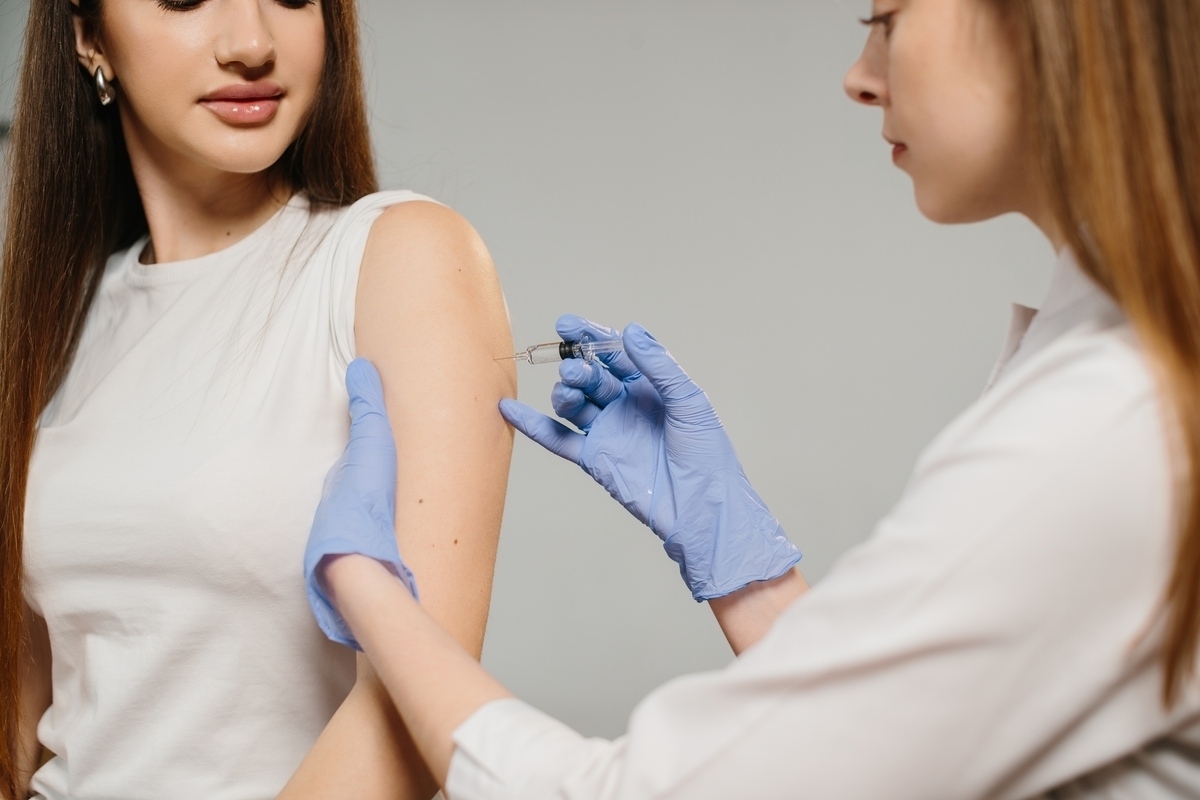
Intramuscular glutathione injection bypasses the gastrointestinal tract entirely, delivering the compound directly into muscle tissue where it is absorbed rapidly into systemic circulation. This results in higher peak plasma levels and faster onset compared to oral supplementation.
As explained in our post on IV hydration vs drinking water, the bioavailability advantage of bypassing the digestive system applies across injectable and IV nutrient therapies more broadly. The same principle applies here: what enters the bloodstream directly does not have to survive the gastrointestinal environment first.
5. What a Glutathione Injection Is Used For
People seek glutathione injection for a range of purposes, most of which connect back to the compound’s core physiological functions. The most common reasons include:
- Antioxidant support: Individuals with high oxidative stress loads, whether from environmental exposure, chronic illness, or lifestyle factors, may benefit from periodic glutathione supplementation to support their body’s natural defenses
- Skin health and hyperpigmentation: People addressing uneven skin tone, photoaging, or dullness often incorporate glutathione injection into a broader aesthetic wellness plan
- Detoxification support: Those undergoing detoxification protocols or with known exposures to environmental toxins may use glutathione to support liver clearance pathways
- Immune function: Individuals looking to support immune resilience during high-stress periods or recovery from illness
- Energy and recovery: People experiencing fatigue related to mitochondrial stress or intensive physical training
- Add-on to IV therapy sessions: Glutathione is frequently administered as a push at the end of an IV drip session, allowing it to be delivered intravenously for maximum absorption
The IV hydration and injections service at Drip Lounge and Wellness includes glutathione as a standalone injection option, making it accessible as either an independent treatment or an add-on to a broader IV session.
6. Who Tends to Have Lower Glutathione Levels
Glutathione depletion is more common than most people realize, and it often goes unrecognized because the symptoms overlap with general fatigue and aging. Several factors are known to reduce glutathione synthesis or accelerate its consumption:
- Age: Glutathione production declines naturally with age, which contributes to increased oxidative stress in older adults
- Chronic stress: Prolonged psychological and physiological stress increases free radical production and depletes antioxidant reserves including glutathione
- Alcohol consumption: Ethanol metabolism generates significant oxidative stress and directly depletes hepatic glutathione stores
- Poor dietary intake: Glutathione synthesis requires adequate cysteine, which is found in protein-rich foods. Diets low in sulfur-containing amino acids can reduce production
- Environmental toxin exposure: Exposure to heavy metals, pesticides, and pollutants accelerates glutathione consumption as the body uses it to neutralize these compounds
- Certain medications: Some pharmaceuticals, including acetaminophen at high doses, deplete glutathione stores as part of their metabolism
- Chronic illness: Conditions involving systemic inflammation or immune dysregulation are frequently associated with below-normal glutathione levels
A provider assessment is the appropriate starting point for anyone considering glutathione supplementation, since the decision should be based on individual health context rather than general wellness trends.
7. What to Expect From a Glutathione Injection
A standalone glutathione injection is administered intramuscularly and takes only a few minutes from start to finish. There is no extended session time required, no IV line to place, and no downtime afterward.
Most people tolerate glutathione injections well. Side effects are uncommon when administered by a trained provider at an appropriate dose, and the injection site discomfort is typically minimal and brief.
In terms of results, it is important to set realistic expectations. A single glutathione injection will raise systemic glutathione levels transiently, but sustained effects on skin, detoxification, or immune function generally require a consistent schedule over several weeks or months. The timeline varies based on individual baseline levels, the health goal being addressed, and other lifestyle and dietary factors.
For individuals who want to combine glutathione with IV hydration therapy for a more comprehensive nutrient delivery session, the IV hydration and injections in Saraland location page outlines the full range of available treatments and how sessions are structured at Drip Lounge and Wellness.
8. Frequently Asked Questions
What does a glutathione injection actually do?
A glutathione injection delivers the antioxidant directly into the bloodstream or muscle tissue, bypassing the digestive system and raising systemic glutathione levels more effectively than oral supplementation. It supports the body’s antioxidant defenses, liver detoxification, immune cell function, and skin health depending on the individual’s baseline levels and health goals.
How is a glutathione injection different from taking a glutathione supplement?
Oral glutathione is partially broken down in the gastrointestinal tract before it reaches systemic circulation, which significantly limits how much actually becomes available to cells. Injection bypasses this limitation entirely, delivering the compound directly into circulation where it can reach tissues at higher concentrations.
How often should someone get a glutathione injection?
Frequency depends on the individual’s health goals, baseline glutathione status, and provider guidance. Some people use it as a periodic standalone treatment, while others incorporate it regularly alongside IV therapy sessions. A provider consultation helps determine the right schedule for a specific situation.
Is a glutathione injection safe?
When administered by a trained healthcare professional at an appropriate dose, glutathione injections are generally well tolerated. As with any injection, there is a small risk of site discomfort or irritation. Anyone with specific health conditions or medication interactions should discuss this with their provider before starting.
Can a glutathione injection improve skin tone?
Clinical research supports glutathione’s role in reducing hyperpigmentation and supporting skin brightness through its effect on melanin production and oxidative stress reduction. Results vary by individual and typically require consistent use over several weeks to months before becoming noticeable.
Does everyone need a glutathione injection?
No. People with healthy glutathione levels and no specific skin, detoxification, or immune concerns are unlikely to see significant benefit. A provider assessment that considers overall health, lifestyle factors, and treatment goals helps determine whether glutathione supplementation is appropriate for a given individual.
9. Weighing What the Evidence Actually Shows
Glutathione’s role in antioxidant defense, liver detoxification, and immune function is well supported by a substantial body of clinical research. Its effect on skin pigmentation and brightness has also received meaningful attention in the dermatology literature, with recent systematic reviews affirming its relevance in aesthetic wellness applications.
What the evidence does not support is the idea that a glutathione injection is a universal fix or a shortcut to dramatically different health outcomes. Like most injectable nutrients, it works best when it addresses an actual deficiency or specific physiological need rather than being applied indiscriminately.
The most rational approach is a provider consultation that evaluates your health history, lifestyle, and goals before recommending whether glutathione injection belongs in your wellness plan. That conversation is where the evidence meets the individual, and where the decision actually makes clinical sense.
💡Key Takeaways
- Glutathione is a naturally occurring tripeptide antioxidant produced in virtually every cell, with the highest concentrations in the liver
- Its primary functions include neutralizing free radicals, supporting liver detoxification, regulating immune cell function, and recycling other antioxidants
- Glutathione injection bypasses the gastrointestinal tract, delivering higher systemic levels than oral supplementation
- Clinical research supports its role in skin health, hyperpigmentation reduction, and immune function support
- Levels decline with age and are depleted by chronic stress, alcohol, toxin exposure, and certain medications
- A provider assessment is the appropriate starting point before adding glutathione injection to any wellness plan
Starting With the Right Conversation
Understanding what glutathione does gives you a clearer basis for deciding whether it belongs in your wellness plan. The next step is a consultation with a provider who can assess your individual health picture and help you determine whether a glutathione injection makes sense for your specific goals.
References
- Stanescu, C., Chiscop, I., Boev, M., Stanescu, G. D., & Matei, M. N. (2026, March 15). Glutathione in skin aging and tissue regeneration: A systematic review of molecular mechanisms, redox modulation, and biomedical implications. Molecules, 31(6), 981.
- Younossi, Z. M., et al. (2025). A literature review of glutathione therapy in ameliorating hepatic dysfunction in non-alcoholic fatty liver disease. PMC.
- Percival, S. S. (2019). Immunomodulatory effects of glutathione, garlic derivatives, and hydrogen sulfide. Nutrients, 11(2), 295.