
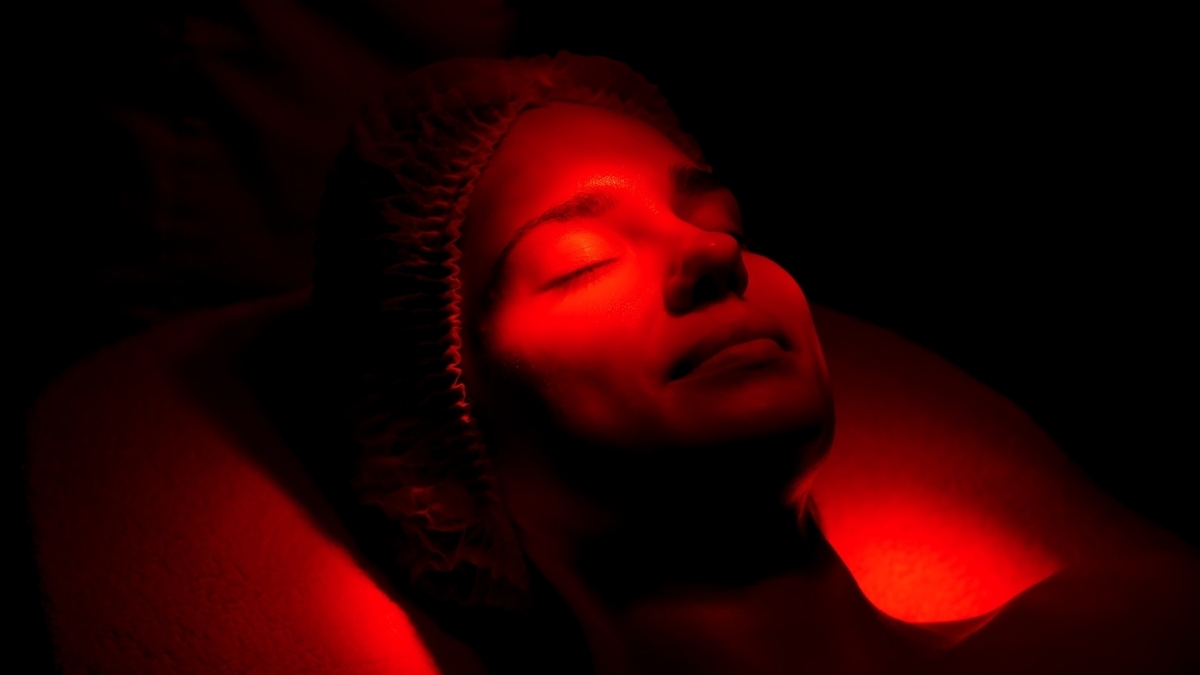
Can Red Light Therapy Improve Sleep Quality and Energy Levels?
Table of Contents
- 1. The Science Behind Red Light Therapy and Sleep
- 2. How Red Light Affects Melatonin and Circadian Rhythm
- 3. How Red Light Therapy Supports Energy Levels
- 4. What the Research Says About Red Light and Sleep Quality
- 5. Who Can Benefit Most From Red Light Therapy and Sleep Support
- 6. How to Use Red Light Therapy to Improve Sleep and Energy
- 7. What to Expect From Consistent Red Light Therapy Sessions
- 8. Frequently Asked Questions
- 9. Taking the Next Step Toward Better Sleep and Energy
You wake up tired. You drag through the afternoon. You lie down at night and struggle to fall asleep despite feeling exhausted. If this pattern sounds familiar, you are not alone, and the solution may not be another supplement or sleep app.
The connection between red light therapy and sleep is one of the most compelling and research-supported areas of non-invasive wellness science. Red light therapy works at a cellular level to influence the same biological systems that regulate when you sleep, how deeply you sleep, and how much energy you have when you wake up.
This guide explains exactly how red light therapy influences sleep quality and energy levels, what the research shows, and what to expect from a consistent series of sessions.
1. The Science Behind Red Light Therapy and Sleep
To understand why red light therapy and sleep are so closely connected, it helps to start with what red light therapy actually does inside the body.
Red light therapy, also known as photobiomodulation, uses specific wavelengths of red and near-infrared light to penetrate the skin and reach the mitochondria inside your cells. The mitochondria are responsible for producing adenosine triphosphate, or ATP, which is the primary fuel source your cells use to carry out every biological function including sleep regulation, hormone production, and tissue repair.
When red light stimulates the mitochondria, ATP production increases. This boost in cellular energy supports a cascade of biological processes, including the hormonal and neurological systems that govern your circadian rhythm and sleep-wake cycle.
The key ways red light therapy influences sleep and energy at a cellular level include:
- Stimulating mitochondrial ATP production which supports cellular energy and repair
- Influencing melatonin secretion patterns through circadian pathway signaling
- Reducing systemic inflammation which is a known disruptor of both sleep quality and daytime energy
- Supporting cortisol regulation which affects how alert you feel during the day and how easily you wind down at night
- Improving blood flow and oxygenation to tissues which supports overall recovery and energy metabolism
2. How Red Light Affects Melatonin and Circadian Rhythm
One of the most important distinctions between red light and the blue light emitted by screens and overhead lighting is how each wavelength affects melatonin production.
Melatonin is the hormone that signals to your brain that it is time to sleep. Blue light, which dominates most indoor and screen-based lighting environments, strongly suppresses melatonin production and keeps the brain in a state of alertness long after you want to wind down. This is why late-night screen use is so consistently associated with difficulty falling asleep.
Red light operates very differently. Because of its longer wavelength and lower stimulating effect on the light-sensitive cells in the retina, red light does not trigger the same melatonin-suppressing response that blue light does. Instead, it creates an environment that allows the body’s natural melatonin production to proceed without interference.
According to research from the National Institutes of Health, exposure to red light at 631nm allowed melatonin levels to recover after two hours of exposure while blue light maintained suppression throughout, highlighting red light as a significantly less disruptive alternative for nighttime environments and supporting its role in healthy circadian rhythm maintenance.
The practical implications for red light therapy and sleep include:
- Red light does not suppress melatonin the way blue light does making it a circadian-friendly wavelength
- Evening exposure to red light may support the body’s natural transition into sleep readiness
- Red light therapy sessions can be scheduled in ways that align with rather than disrupt the body’s circadian timing
- Reduced melatonin disruption from red light exposure supports more consistent and predictable sleep onset over time
3. How Red Light Therapy Supports Energy Levels
Poor sleep and low energy are deeply connected, but red light therapy supports energy levels through mechanisms that go beyond simply improving sleep.
When mitochondria produce more ATP in response to red light stimulation, every cell in the body has more fuel to work with. This increase in cellular energy is felt most noticeably as improved alertness, reduced fatigue, and better cognitive function throughout the day. For people dealing with chronic tiredness that does not resolve with rest alone, this mitochondrial boost is often the underlying mechanism that produces the most noticeable change.
Red light therapy also supports energy by reducing systemic inflammation. Chronic low-grade inflammation is one of the most common and least diagnosed contributors to persistent fatigue. When inflammation is high, the body diverts significant energy resources toward managing it, leaving less available for normal daily function. Red light therapy’s anti-inflammatory effects free up that energy and redirect it toward the functions that make you feel alert, focused, and physically capable.
According to a peer-reviewed study in PMC’s circadian biology research, both red and blue light were found to affect cortisol levels across circadian variations, with red light producing a meaningfully different hormonal response than blue light throughout the day, which has direct implications for how alert and energized people feel during waking hours.
Key ways red light therapy supports daytime energy levels include:
- Increased ATP production giving cells more fuel for everyday function
- Reduced systemic inflammation freeing up energy previously used for inflammatory processes
- Improved cortisol regulation supporting healthy alertness patterns throughout the day
- Better quality sleep at night producing more restorative rest and more energy upon waking
- Enhanced blood flow and oxygenation to muscles and tissues supporting physical stamina
4. What the Research Says About Red Light and Sleep Quality
The research on red light therapy and sleep has grown significantly over the past decade, and the findings consistently point in the same direction.
Multiple peer-reviewed studies have examined how red light affects sleep latency, sleep duration, sleep depth, and morning energy levels across different populations including athletes, shift workers, and people with insomnia. The results show meaningful improvements across several sleep quality markers, particularly when red light therapy is used consistently over a period of weeks rather than as a one-time intervention.
According to a study published on NIH PubMed Central, red light has specific advantages in improving alertness without affecting melatonin secretion and has been shown to positively influence sleep structure and mood in both healthy subjects and individuals with insomnia disorder, with effects observed across both subjective and objective sleep quality measures.
Key research findings on red light therapy and sleep include:
- Participants in red light therapy studies reported improved subjective sleep quality compared to control groups
- Objective measurements of sleep structure showed meaningful changes in sleep depth and continuity with consistent red light exposure
- Athletes using red light therapy reported faster sleep onset and improved recovery compared to those who did not
- People with insomnia showed improvements in both sleep duration and daytime energy following a consistent course of red light sessions
- The benefits were most pronounced when sessions were conducted consistently over multiple weeks rather than sporadically
5. Who Can Benefit Most From Red Light Therapy and Sleep Support
While red light therapy and sleep research spans a wide range of populations, certain groups tend to experience the most noticeable improvements from a consistent program.
People who are most likely to benefit from red light therapy for sleep and energy include:
- People with chronic fatigue. Those dealing with persistent tiredness that does not resolve with rest often respond well because the mitochondrial energy boost addresses the cellular root of the problem rather than just the symptoms.
- People with difficulty falling asleep. The circadian-supportive effects of red light, particularly its non-suppressive relationship with melatonin, make it a useful tool for people who struggle with sleep latency.
- People with disrupted sleep schedules. Shift workers, frequent travelers, and people with irregular schedules often experience circadian disruption. Red light therapy supports realignment of the body’s natural sleep-wake timing.
- People dealing with chronic inflammation. Since inflammation directly disrupts both sleep and energy, the anti-inflammatory effects of red light therapy address a root cause that many people are not aware is affecting them.
- Active individuals and athletes. People who train regularly often deal with elevated cortisol and muscle inflammation that interferes with recovery and sleep quality. Red light therapy helps manage both.
- People looking for a non-pharmaceutical approach. For those who prefer not to rely on medications or supplements for sleep support, red light therapy offers a research-backed non-invasive alternative.
6. How to Use Red Light Therapy to Improve Sleep and Energy
Getting the most from red light therapy for sleep and energy involves more than just showing up for sessions. Timing, consistency, and supporting habits all influence how well the treatment works.
Practical guidelines for using red light therapy to support sleep and energy include:
- Schedule sessions consistently. The benefits of red light therapy build over time and across multiple sessions. Most people see the most meaningful improvements after two to four weeks of consistent sessions two to three times per week.
- Consider evening sessions for sleep support. Because red light does not suppress melatonin, evening sessions can support the body’s natural wind-down process without the stimulating effects associated with blue light exposure.
- Pair sessions with good sleep hygiene. Red light therapy works best when supported by consistent sleep habits including a regular sleep schedule, a cool dark room, and reduced screen exposure in the hour before bed.
- Stay hydrated before and after sessions. Well-hydrated cells respond more effectively to red light stimulation and support the cellular repair processes the therapy activates.
- Be patient with the timeline. Sleep improvements from red light therapy tend to build gradually rather than appearing overnight. Most people notice meaningful changes after two to three weeks of consistent sessions.
For a full guide on how to prepare for your session and what to do afterward to maximize results, read our blog on what to do before and after a red light therapy session.
7. What to Expect From Consistent Red Light Therapy Sessions
Understanding what realistic progress looks like helps you stay consistent during the early weeks when the changes are happening beneath the surface before they become fully noticeable.
Weeks 1 to 2: Most people notice subtle changes during the first two weeks. Energy levels may feel slightly more stable throughout the day. Some people notice that they feel calmer or that falling asleep feels marginally easier. These early changes reflect the cellular adjustments beginning to take effect.
Weeks 3 to 4: This is typically when the most noticeable improvements in red light therapy and sleep quality begin to emerge. Sleep onset often becomes more consistent, nighttime waking may reduce, and morning energy levels begin improving more reliably. Daytime fatigue starts to ease for most people during this phase.
Month 2 and beyond: People who continue with consistent sessions through the second month typically report the most significant and sustained improvements in both sleep quality and daytime energy. The benefits become more stable and predictable, and the cumulative effects of consistent sessions produce results that hold between appointments.
What most people notice over a consistent course of red light therapy sessions includes:
- More consistent and predictable sleep onset
- Reduced nighttime waking and improved sleep continuity
- Improved morning energy and reduced grogginess upon waking
- More stable energy levels throughout the day with fewer afternoon crashes
- Reduced physical fatigue and improved recovery from daily activity
- A general improvement in mood and cognitive clarity that follows improved sleep
To learn more about the full range of red light therapy treatments available and what a session involves at the clinic, visit the red light therapy treatment page in Saraland, AL.
8. Frequently Asked Questions
Does red light therapy actually improve sleep quality?
Research supports that red light therapy can improve sleep quality through its effects on melatonin regulation, circadian rhythm support, mitochondrial energy production, and inflammation reduction. The most meaningful improvements are typically seen after two to four weeks of consistent sessions rather than from a single treatment.
When is the best time of day to do red light therapy for sleep?
Evening sessions are often recommended for sleep support because red light does not suppress melatonin the way blue light does. This means an evening session can support the body’s natural wind-down process without interfering with sleep onset. Morning sessions are better suited for energy and alertness support. Your provider can help you determine the best timing based on your specific goals.
How many sessions do I need before noticing sleep improvements?
Most people begin noticing subtle improvements within the first one to two weeks, with more meaningful changes in sleep quality typically appearing around weeks three and four. Consistent sessions two to three times per week produce the best results.
Can red light therapy help with fatigue even if my sleep is already adequate?
Yes. Red light therapy supports energy levels through mitochondrial ATP production and anti-inflammatory effects that are independent of sleep quality. People whose fatigue stems from chronic inflammation, poor cellular energy production, or cortisol dysregulation can experience meaningful energy improvements even when their sleep hours are sufficient.
Is red light therapy safe to use regularly for sleep support?
Red light therapy at the wavelengths used in professional settings has a well-established safety profile and does not involve UV radiation, heat, or pharmaceutical intervention. Your provider will assess your individual situation and recommend a session frequency appropriate for your goals and health history.
Where can I learn more about aesthetics and red light therapy services in Saraland, AL?
You can visit the aesthetics services page to learn more about what is available and how red light therapy fits within the broader range of wellness treatments offered.
9. Taking the Next Step Toward Better Sleep and Energy
Poor sleep and low energy are not problems you have to accept as permanent. The connection between red light therapy and sleep is well supported by research and grounded in the same cellular mechanisms that make photobiomodulation effective across a wide range of applications.
The most meaningful results come from consistency. Two to four weeks of regular sessions is where most people begin experiencing the changes they came in hoping to find. Beyond that, the cumulative effects continue building as the body’s sleep regulation and energy systems respond to sustained support.
If you have been dealing with persistent sleep difficulties or low energy and want to understand whether red light therapy is a good fit for your situation, speaking with a provider who can evaluate your individual needs is the most reliable starting point.
💡Key Takeaways
- Red light therapy supports sleep by influencing melatonin regulation, circadian rhythm alignment, and mitochondrial ATP production without the disruptive effects associated with blue light exposure
- Unlike blue light, red light does not suppress melatonin, making it a circadian-friendly option that supports rather than interferes with the body’s natural sleep-wake cycle
- The energy benefits of red light therapy come from increased cellular ATP production and reduced systemic inflammation, both of which address common root causes of persistent fatigue
- Research shows meaningful improvements in sleep quality, sleep onset, and daytime energy after two to four weeks of consistent sessions
- People who benefit most include those with chronic fatigue, difficulty falling asleep, disrupted schedules, chronic inflammation, or a preference for non-pharmaceutical wellness solutions
- Consistency is the most important factor — the benefits of red light therapy and sleep improvement build progressively over multiple weeks rather than appearing after a single session
Ready to Explore Red Light Therapy for Sleep and Energy?
If you have questions about red light therapy and whether it is the right fit for your sleep and energy goals, scheduling a consultation is the best place to start.
References
- Chen, Y., et al. (2023). Effects of red light on sleep and mood in healthy subjects and individuals with insomnia disorder. Frontiers in Neuroscience. https://pmc.ncbi.nlm.nih.gov/articles/PMC10484593/
- Chellappa, S. L., et al. (2025). Comparative effects of red and blue LED light on melatonin levels during three-hour exposure in healthy adults. PMC. https://pmc.ncbi.nlm.nih.gov/articles/PMC12113466/
- Figueiro, M. G., et al. (2009). The effects of red and blue lights on circadian variations in cortisol, alpha amylase, and melatonin. International Journal of Endocrinology. https://pmc.ncbi.nlm.nih.gov/articles/PMC2905913/