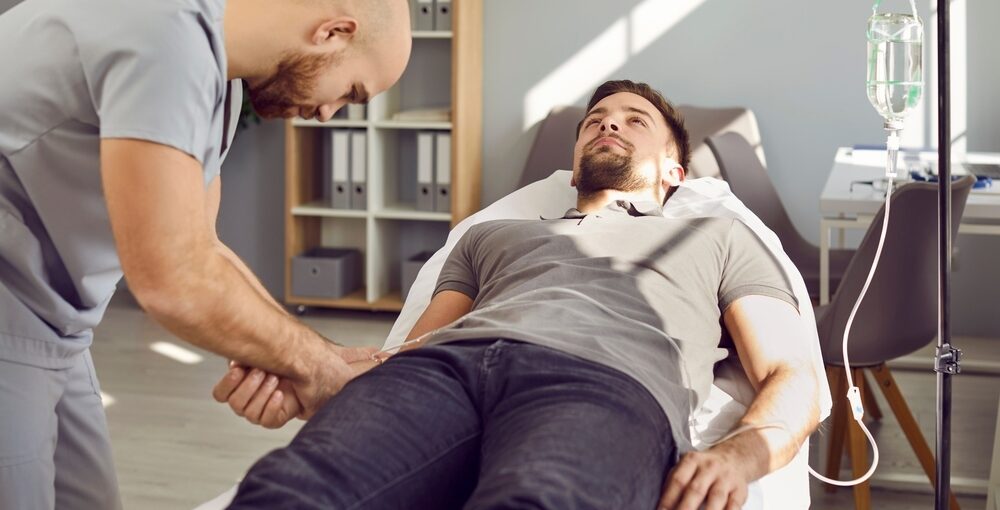
What Should You Eat and Drink Before an IV Hydration Appointment?
You scheduled your IV hydration appointment and now you are second-guessing everything. Should you eat first? How much water is actually enough? Does any of it change what you get out of the session? It does, more than most people expect. Showing up without food or without being properly hydrated are the two most common reasons people feel lightheaded or uncomfortable during their drip, and both are completely avoidable. Getting this right means a smoother experience, easier vein access, and a body that is ready to absorb every nutrient in the infusion. In this article, you will learn exactly what to eat and drink before your session, what to skip and why, the right timing for meals and fluids, and how preparation changes depending on which drip you are receiving.
Why Preparation Matters Before an IV Hydration Session
IV hydration therapy delivers fluids, vitamins, minerals, and electrolytes directly into your bloodstream through an intravenous line. Because the nutrients bypass your digestive system entirely, they reach your cells faster and at a higher absorption rate than anything taken orally.
What many first-time clients do not realize is that the state your body is in before the drip starts shapes the entire experience. Two preparation mistakes are responsible for most of the discomfort people report when they come in for their IV hydration appointment.
Arriving dehydrated makes vein access harder. When your body is low on fluids, your veins are smaller and harder to locate. According to the Mayo Clinic, even mild dehydration affects circulation and overall body function. This can make the insertion of the IV line more difficult and occasionally require more than one attempt. Drinking water before you arrive keeps your veins visible and accessible, making the process faster and more comfortable from the start.
Arriving on an empty stomach can cause lightheadedness. Some IV drips contain ingredients that influence electrolyte levels or blood sugar. Without food in your system, you may feel dizzy or nauseous once the infusion begins. A light meal a couple of hours before your appointment keeps your blood sugar stable and your body ready to handle the treatment without unnecessary discomfort.
What to Drink Before Your IV Hydration Appointment
Water Is the Most Important Step
The single most important thing you can do before arriving for your IV hydration appointment is drink water. Aim for at least 16 to 20 ounces in the two hours leading up to your session. If you exercised earlier in the day, spent time outside in the Alabama heat, or tend to run low on fluids generally, drink a little more than that.
This might feel counterintuitive. You are coming in for hydration therapy, so why does it matter whether you are already hydrated? Because IV therapy works with your body, not in place of it. A body that arrives at a reasonable hydration baseline responds better to an infusion, makes vein access easier, and helps you feel the benefits of the drip sooner after it ends.
Electrolyte Drinks Can Help
If you have been sweating heavily, recovering from illness, or dealing with the effects of a hot Alabama day, plain water may not be enough on its own. Research published by the National Institutes of Health confirms that maintaining proper electrolyte balance, particularly sodium and potassium, is essential for healthy fluid regulation in the body. An electrolyte drink or coconut water in the one to two hours before your appointment helps stabilize these levels before the IV even starts.
Pay attention to sugar content. High-sugar sports drinks cause a blood sugar spike followed by a crash, which is the opposite of what you want heading into an infusion. Look for lower-sugar electrolyte options, or pair plain water with a small snack that naturally contains sodium and potassium.
What to Avoid Drinking
A few beverages are worth skipping in the hours before your session:
- Alcohol. Even drinking the night before can contribute to dehydration. Avoid alcohol for at least 24 hours before your IV hydration appointment for the best results.
- Excessive caffeine. Coffee and energy drinks are diuretics that push water out of your body. One cup of coffee earlier in the morning is generally fine, but multiple cups close to your appointment time works against your preparation.
- Sugary sodas. The CDC recommends limiting sugary drinks as part of any healthy hydration routine, noting that beverages high in added sugar contribute to poor overall fluid balance. You can read more about making smarter beverage choices through the CDC’s Rethink Your Drink guidance. These offer no hydration benefit and can destabilize your blood sugar going into the infusion.
What to Eat Before an IV Hydration Appointment
Eat a Light Meal One to Two Hours Before
You do not need a full meal right before your session, but you should not arrive completely fasted either, unless your provider has specifically instructed you to for a clinical reason. A light meal eaten one to two hours beforehand is the approach that works best for most people.
The goal is stable blood sugar, not a full stomach. When your blood sugar is steady at the start of your infusion, you are far less likely to experience dizziness, nausea, or general discomfort during the drip.
Good Food Choices Before an IV Session
Think simple, easily digestible, real food:
- Eggs. A reliable source of protein that digests steadily and keeps blood sugar even throughout your appointment.
- Whole grain toast or oatmeal. Slow-burning carbohydrates that provide sustained energy without a spike and crash.
- Bananas. Rich in potassium, easy on the stomach, and naturally hydrating.
- Greek yogurt. Provides protein without being heavy on the digestive system.
- Avocado. Healthy fats and potassium in a food that is gentle and easy to digest.
- A small handful of nuts. Portable, blood-sugar-stabilizing, and effective without being filling.
- Cucumber, celery, or watermelon. High water-content foods that contribute to your baseline hydration before the drip begins.
None of these are heavy, greasy, or rich. The goal is food that settles well and supports your body, not food that demands significant digestive energy right before your infusion.
What to Avoid Eating Before Your Appointment
A few food categories are better saved for after your session:
- Heavy, fatty meals. A large greasy meal in the hour before your appointment puts your body into digestion mode, which is not the state you want heading into an infusion. Save heavier meals for afterward.
- Very spicy food. This can irritate your digestive system and make any mild nausea during the infusion feel noticeably worse.
- High-sugar foods. A pastry or sugary breakfast causes a blood sugar spike followed by a drop, which can leave you feeling lightheaded once the IV begins.
- Nothing at all. Arriving fully fasted is not recommended before a standard IV hydration session. If you have not eaten and cannot eat before you arrive, let your provider know so they can take appropriate steps before starting.
The Right Timing for Food and Fluids
A preparation timeline that works well for most clients before an IV hydration appointment:
- The night before. Avoid alcohol. Drink water consistently throughout the evening. Get a full night of sleep, which supports your body’s natural fluid balance.
- Morning of, for afternoon appointments. Eat a normal light breakfast. Continue sipping water steadily through the morning rather than trying to catch up all at once right before you leave.
- Two hours before. Have a light meal if you have not already eaten. Drink 16 to 20 ounces of water.
- Thirty minutes before. No major changes needed. Sip water if you feel thirsty. Avoid heavy food at this stage.
If your appointment is early in the morning, aim to have at least a small snack 30 minutes before you arrive rather than coming in with nothing in your system.
Does It Matter Which IV Drip You Are Getting?
For most standard IV hydration and wellness drips, the general preparation guidance above applies. A few specific scenarios are worth understanding on their own.
Pre-event or performance drips. If you are coming in for a pre-event IV hydration session before a race, competition, or physically demanding day, preparation carries more weight than usual. Eat a carbohydrate-rich but easily digestible meal the morning of your appointment. Oatmeal with fruit or whole grain toast with nut butter are both good options. Hydrate thoroughly the night before and the morning of. Your muscles and vascular system need to be in their best starting condition before the drip begins.
Hangover relief drips. If you are coming in after a night out, your body is already in a state of dehydration and nutrient depletion. Try to get something light in your stomach before you arrive, even a piece of toast or a few crackers, and sip water on the way in. The drip handles the heavy lifting, but having something in your stomach reduces the likelihood of nausea during the infusion.
Vitamin and immunity drips. No special preparation beyond the standard guidelines is needed. Eat a light meal, drink water, and arrive comfortable.
Not sure which drip is right for you? Browse the full range of IV hydration and injections available at Drip Lounge and Wellness to find the right option for your needs.
Other Things Worth Knowing Before You Arrive
Food and water cover the two most important preparation factors. A few additional details are worth keeping in mind before your IV hydration appointment:
- Wear comfortable clothing with easy access to your arm. A loose short-sleeved shirt or a top with wide sleeves makes positioning the IV line much more comfortable and avoids any awkward adjustments once you are seated.
- Avoid intense exercise immediately before your session. Light movement is fine, but a hard workout right before arriving increases dehydration and can make vein access more difficult.
- Let your provider know about any medications you are taking. Some medications interact with specific IV ingredients, and the team at Drip Lounge and Wellness will factor this into how your drip is prepared.
- Bring something to pass the time. Sessions typically run between 30 and 60 minutes. A book, your phone, or headphones makes the time go quickly and keeps you relaxed during the infusion.
- If you are nervous about needles, say so when you arrive. The team works with first-time clients regularly and can walk you through every step of the process to keep you comfortable.
Frequently Asked Questions
1. Can I eat right before my IV hydration appointment?
Yes, but keep it light. A small balanced meal eaten one to two hours before your appointment stabilizes your blood sugar and helps your body handle the infusion comfortably. Avoid heavy, greasy, or very sugary foods in the hour before your session.
2. Do I need to fast before IV therapy?
No. Fasting is not recommended before a standard IV hydration session. Unlike certain medical procedures, IV hydration does not require an empty stomach. Arriving without food in your system actually increases your risk of dizziness and nausea during the drip. Eat a light meal and drink water before you come in.
3. How much water should I drink before my IV appointment?
Aim for at least 16 to 20 ounces of water in the two hours before your session. If you have been active, are recovering from illness, or spent time outside in the Saraland heat, drink a bit more. Good baseline hydration before you arrive makes vein access easier and improves your overall experience during and after the infusion.
4. Can I drink coffee before IV therapy?
One cup of coffee earlier in the day is generally fine. Avoid drinking multiple cups close to your appointment time since caffeine is a diuretic that works against the hydration you are building. If you rely on coffee in the morning, pair it with a full glass of water and have it at least one to two hours before your session begins.
5. What if I forgot to eat before my appointment?
Let your provider know when you arrive. Even a small snack before the IV begins can make a meaningful difference if you are feeling lightheaded. The team at Drip Lounge and Wellness will confirm you are comfortable before proceeding with your infusion.
What to Remember Before Your Next IV Hydration Appointment
Preparing for an IV hydration appointment does not require a complicated routine. Drink water consistently in the hours before you arrive. Eat a light balanced meal about one to two hours beforehand. Avoid alcohol, excessive caffeine, and heavy food on the day of your session. Those three things cover the majority of what you need to do.
These steps make the process smoother, vein access easier, and your time in the chair more comfortable. They also help your body absorb and use the nutrients from the drip more effectively once the infusion begins.
If you still have questions about how to prepare or want to learn more about which drip is right for your goals, you can browse the full range of IV hydration and injections before your visit.
Medical Disclaimer
The information in this post is provided for educational purposes only and is not a substitute for professional medical advice, diagnosis, or treatment. Latisse requires a prescription and is not suitable for everyone. Always speak with a licensed healthcare provider about your individual health needs before beginning any prescription treatment program.