
What Is Peptide Therapy and How Does It Work in the Body?
You have been hearing more about peptide therapy and you want to understand what it actually is before you consider it for yourself. The term gets used in a lot of wellness conversations, but the explanation often stays vague or gets lost in technical language. Peptide therapy is one of the fastest growing areas of personalized wellness, and for good reason. In this article, you will learn exactly what peptides are, how peptide therapy works at the cellular level, what conditions and concerns it is commonly used to address, what a typical protocol looks like, and what you can realistically expect from treatment at Drip Lounge and Wellness in Saraland, AL.
What Are Peptides?
Before understanding peptide therapy, it helps to understand what peptides actually are at the most basic level.
Peptides are short chains of amino acids, the same building blocks that make up proteins. The difference between a peptide and a protein is essentially size. Proteins are long, complex chains of amino acids. Peptides are shorter chains, typically containing between two and fifty amino acids, that the body uses as signaling molecules.
Think of peptides as messengers. When the body needs to trigger a specific biological function, whether that is producing a hormone, repairing damaged tissue, regulating inflammation, or stimulating cell growth, it uses peptides to send that instruction. Different peptides carry different instructions, and the body produces hundreds of them naturally to regulate nearly every physiological process you can name.
The problem is that peptide production declines with age. Starting in the mid-20s and accelerating through the 30s and 40s, the body produces fewer of these signaling molecules. The result is a gradual slowdown in the biological processes they regulate. Hormone production drops. Recovery slows. Energy declines. Cellular repair becomes less efficient. These are the changes most people associate with aging, and many of them trace back in part to declining peptide activity.
What Is Peptide Therapy?
Peptide therapy is the use of specific bioidentical peptides, either administered by injection, taken orally, or applied topically, to restore or enhance the signaling processes that have declined in the body.
The peptides used in therapy are synthesized to match the natural peptides the body already produces. This means they are recognized by the body’s receptors and can carry out the same biological instructions as the peptides produced naturally. When introduced through a personalized protocol, these peptides help restart or amplify functions that have slowed down due to age, stress, hormonal change, or illness.
According to research published by the National Institutes of Health, peptides serve as key regulators of physiological function, influencing everything from hormone secretion and immune response to cellular repair and reproductive health. This breadth of influence is precisely what makes peptide therapy applicable to such a wide range of wellness concerns.
Peptide therapy is not a medication in the traditional sense. It does not force the body to do something it is not designed to do. Instead, it works by restoring the body’s own communication systems so that natural processes can function as they were designed to.
How Does Peptide Therapy Work in the Body?
Understanding how peptide therapy works requires a brief look at how the body’s signaling systems operate.
Every cell in the body has receptors on its surface, designed to receive specific signals. When a peptide binds to a receptor, it triggers a response inside the cell. That response might be the production of a hormone, the initiation of a repair process, the release of an inflammatory compound, or any number of other biological reactions depending on which peptide is involved and which receptor it activates.
Peptide therapy introduces specific peptides that are designed to bind to specific receptors and trigger specific responses. Here are a few concrete examples of how this works in practice:
Growth hormone stimulation. Peptides such as Sermorelin and CJC-1295 bind to receptors in the pituitary gland and signal it to release more growth hormone. Growth hormone plays a central role in energy metabolism, muscle maintenance, fat burning, sleep quality, and cellular repair. Rather than introducing synthetic growth hormone directly, these peptides prompt the body to produce its own, which keeps the process within natural regulatory boundaries.
Sexual health and hormone support. Peptides like PT-141 work through the central nervous system to improve sexual desire and arousal in both men and women. Unlike treatments that work purely through vascular mechanisms, PT-141 acts on the brain’s melanocortin receptors to influence the neurological side of sexual response. You can learn more about how this applies to your specific situation through the sexual health and peptides services at Drip Lounge and Wellness.
Tissue repair and recovery. Peptides such as BPC-157 are known for their role in accelerating tissue repair, reducing inflammation, and supporting gut health. They work by stimulating growth factors and promoting the formation of new blood vessels in damaged tissue, which speeds the healing process significantly.
Immune regulation. Certain peptides influence immune cell activity, helping the body maintain a more balanced and responsive immune system. This is particularly relevant for people dealing with chronic inflammation or autoimmune conditions.
What Can Peptide Therapy Be Used For?
Because peptides regulate such a broad range of biological functions, peptide therapy has applications across many areas of health and wellness. The most common reasons people seek peptide therapy at Drip Lounge and Wellness in Saraland, AL include:
Energy and fatigue. One of the most frequently reported benefits of peptide therapy is a significant and sustained improvement in energy levels. This happens through improvements in growth hormone production, mitochondrial function, and metabolic efficiency. People who have dealt with persistent fatigue for years often describe the change as noticeable within the first few weeks of treatment.
Sexual health and performance. Peptide therapy is increasingly used to address low libido, reduced arousal, and performance concerns in both men and women. By supporting hormone production and improving circulation and neurological signaling, peptides address sexual health concerns at the root rather than managing symptoms on the surface. Read more about how peptide therapy enhances sexual health and wellness through targeted treatment.
Body composition. Growth hormone stimulating peptides support fat metabolism and lean muscle maintenance, making them a common component of protocols designed to improve body composition alongside lifestyle changes.
Sleep quality. Several peptides influence the regulation of sleep cycles and the depth of restorative sleep. Better sleep has downstream benefits for virtually every other health metric, including energy, hormone balance, and cognitive function.
Cognitive function and mental clarity. Some clients seek peptide therapy specifically for improvements in focus, memory, and mental sharpness. These benefits are often connected to the same growth hormone improvements that drive energy and recovery.
Recovery and tissue repair. Athletes and active individuals use certain peptides to accelerate recovery from training, reduce injury healing time, and maintain the physical resilience needed for consistent performance.
What Does a Peptide Therapy Protocol Look Like?
One of the most common questions people have about peptide therapy is what the actual treatment process involves. Here is what to expect when you begin a peptide therapy protocol at Drip Lounge and Wellness.
Initial consultation. Every peptide therapy protocol begins with a thorough consultation. Your provider reviews your health history, current symptoms, lifestyle, and wellness goals to determine which peptides are appropriate for your situation and what protocol design will deliver the best results. This is not a generic process. The peptide combinations, dosing, and administration schedule are all tailored to you specifically.
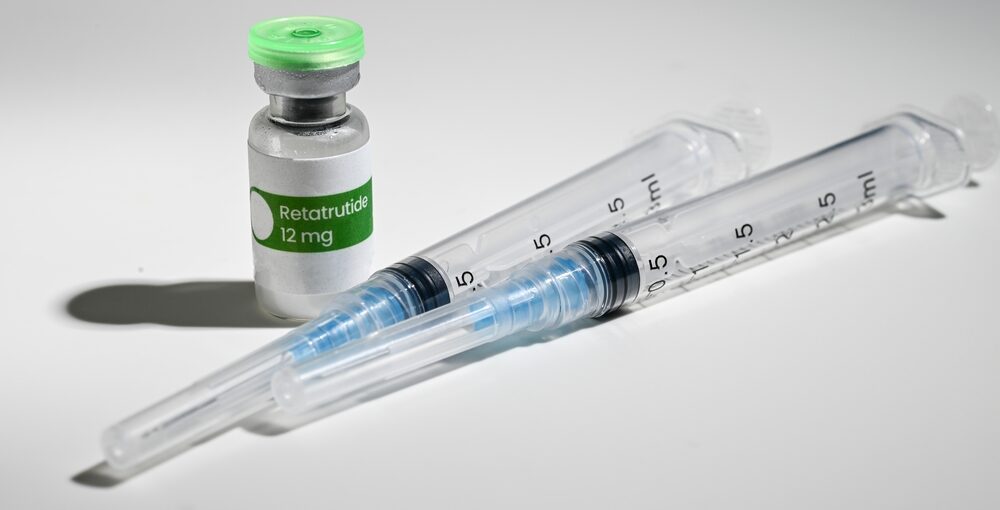
Administration method. Depending on the peptides in your protocol, administration may involve subcutaneous injections that you perform at home following guidance from your provider, topical applications, or oral formats. Subcutaneous injection is the most common method for peptides that need to enter the bloodstream directly to reach their target receptors.
Protocol duration. Most peptide therapy protocols run for a minimum of three to six months to allow the body enough time to respond fully to treatment. Some clients continue longer-term protocols as part of an ongoing wellness strategy. Your provider will give you a clear timeline based on your specific goals and how your body responds during the initial phase.
Monitoring and adjustment. Your provider monitors your progress throughout the protocol and adjusts dosing or peptide combinations as needed based on your response. This ongoing adjustment is part of what makes personalized peptide therapy more effective than generic supplementation.
How Long Does It Take to See Results?
Results from peptide therapy develop gradually as the body responds to restored signaling. The timeline varies depending on which peptides are being used and what outcomes you are pursuing.
Most clients notice initial improvements in energy and sleep quality within the first two to four weeks. Improvements in body composition, sexual health, and physical recovery typically become more noticeable between four and eight weeks into the protocol. The most significant and comprehensive results generally develop over a three to six month period of consistent treatment.
The Mayo Clinic notes that addressing underlying physiological factors is key to achieving lasting improvements in both energy and sexual health. Peptide therapy aligns directly with this principle by targeting root causes rather than surface symptoms.
It is also worth noting that results are cumulative. The longer the body is supported by a well-designed peptide protocol, the more thoroughly it restores optimal function across the systems being targeted.
Is Peptide Therapy Right for You?
Peptide therapy is appropriate for a wide range of adults who are experiencing the effects of age-related decline, chronic stress, hormonal imbalance, or suboptimal recovery. You may be a good candidate if you are dealing with any of the following:
- Persistent fatigue or low energy that does not resolve with adequate sleep
- Decline in sexual desire, arousal, or performance
- Difficulty maintaining a healthy body composition despite reasonable diet and exercise
- Poor sleep quality or difficulty achieving deep restorative sleep
- Mental fog, reduced focus, or declining cognitive sharpness
- Slow recovery from physical activity or injury
- A general sense that your energy and vitality are not what they used to be
A consultation with your provider at Drip Lounge and Wellness is the necessary first step to determine whether peptide therapy is appropriate for your health profile and goals. The connection between peptide therapy and sexual health is one dimension of a broader wellness picture that your provider will evaluate as part of a comprehensive intake process.
Frequently Asked Questions
1. What is the difference between peptides and proteins?
Both peptides and proteins are made of amino acids, but peptides are shorter chains typically containing between two and fifty amino acids. Proteins are larger and more structurally complex. In the body, peptides function primarily as signaling molecules, carrying instructions to cells, while proteins perform structural and enzymatic roles. Peptide therapy uses these signaling functions to restore or enhance specific biological processes.
2. Is peptide therapy the same as hormone replacement therapy?
No. Peptide therapy and hormone replacement therapy work through different mechanisms. Hormone replacement therapy introduces hormones directly into the body. Peptide therapy signals the body to produce its own hormones naturally by restoring the communication pathways that regulate hormone production. In some cases, a provider may recommend a combination of both approaches depending on the individual’s health profile.
3. Are there side effects associated with peptide therapy?
Side effects from peptide therapy are generally mild when the protocol is designed and supervised by a qualified provider. The most commonly reported effects include temporary redness or irritation at the injection site and mild water retention during the early phase of growth hormone stimulating protocols. Your provider at Drip Lounge and Wellness will review potential side effects specific to the peptides in your protocol during your consultation.
4. How are the peptides administered?
The most common administration method is subcutaneous injection, which involves a small needle inserted just under the skin. Many clients administer these injections at home following guidance from their provider. Some peptides are also available in oral or topical formats depending on the specific peptide and treatment goal.
5. Can peptide therapy be combined with other wellness treatments?
Yes. Peptide therapy is commonly combined with other wellness services for a more comprehensive approach to health and vitality. At Drip Lounge and Wellness, your provider can help you understand how peptide therapy may complement other treatments you are already receiving or considering.
The Bottom Line on What Peptide Therapy Is and How It Works
Peptide therapy works by restoring the body’s natural signaling systems, the ones that regulate hormone production, cellular repair, energy metabolism, and dozens of other essential functions that decline with age and stress. It is not a shortcut or a synthetic fix. It is a science-backed approach to helping the body function the way it was designed to.
For adults who are experiencing low energy, hormonal imbalance, sexual health concerns, or a general decline in vitality, peptide therapy offers a personalized and evidence-based path forward. The team at Drip Lounge and Wellness is here to guide you through every step of the process, from your initial consultation to the ongoing adjustments that keep your protocol delivering results.
Medical Disclaimer
The information provided in this article is intended for general educational and informational purposes only. It does not constitute medical advice, diagnosis, or treatment. Peptide therapy results vary by individual and depend on health history, hormone levels, lifestyle, and the specific protocol administered. Always consult a qualified healthcare provider before beginning any peptide therapy program or wellness treatment. The services described in this article are administered by trained professionals at Drip Lounge and Wellness and are tailored to each client’s individual health profile. If you have specific questions about whether peptide therapy is appropriate for you, contact our team directly at (251) 765-0418.