Stress-Related Hair Shedding: Triggers and Recovery
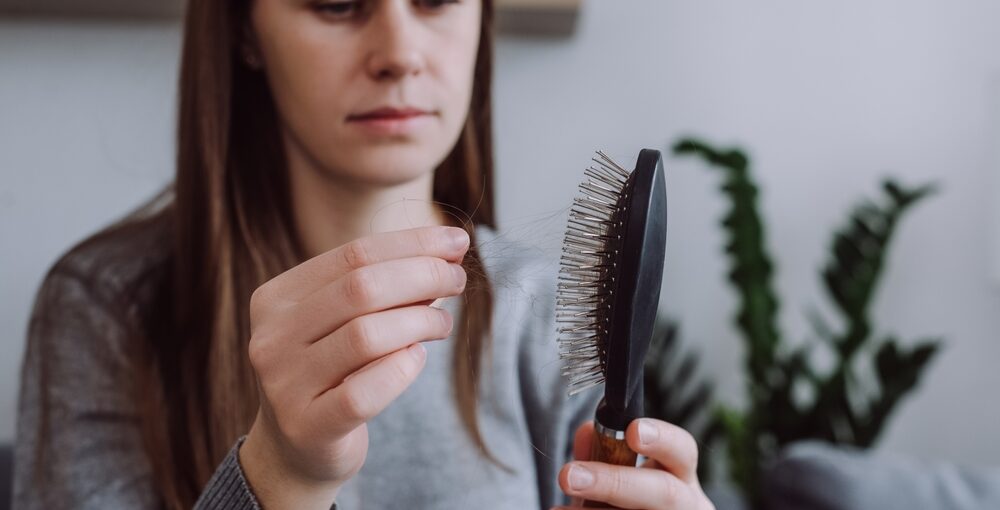
Noticing more hair in your brush, shower drain, or on your pillow can be unsettling especially when it seems to happen quickly. In many cases, this pattern is related to stress-related hair shedding, a common and usually temporary form of diffuse shedding that often shows up after a significant physical or emotional stressor. The key is understanding what’s happening, why the timing can feel confusing, and what recovery typically looks like.
This guide explains how stress can affect the hair growth cycle, the most common triggers, what a normal timeline looks like, and which steps tend to support regrowth. It also covers when shedding may be a sign of something else and why a structured evaluation matters.
If you’re exploring professional options for scalp and hair support, you can review our aesthetics page.
How the hair growth cycle sets the stage for shedding
To understand stress-related hair shedding, it helps to know how hair normally grows. Each strand cycles through phases:
- Anagen (growth phase)
- Catagen (transition phase)
- Telogen (resting phase)
- Exogen (shedding/release phase)
At any given time, most scalp hairs are in the growth phase, while a smaller percentage are resting and preparing to shed. This is why some shedding is normal. The American Academy of Dermatology notes that shedding in a typical range is expected, and that excessive daily shedding can occur when a higher number of hairs shift into the resting phase. (American Academy of Dermatology, n.d.)
When a stressor causes more hairs to enter the resting phase at once, shedding becomes noticeable later often weeks to months after the trigger. That delayed timing is one of the biggest reasons people don’t connect the dots right away.
What stress-related hair shedding is and what it isn’t
The most common clinical term for stress-related hair shedding is telogen effluvium. It typically presents as increased hair fall from across the scalp rather than patches, and it often follows a stressor such as illness, surgery, weight loss, major life events, or a medication change. (Cleveland Clinic, 2022; Hughes et al., 2024)
It helps to separate stress-related shedding from other common types of hair loss:
- Pattern hair loss tends to be gradual and more localized over time (for example, widening part or receding temples).
- Alopecia areata often presents as sudden patchy hair loss and is linked to immune activity.
- Traction-related loss is driven by repeated pulling from tight hairstyles.
Stress-related shedding is usually diffuse and temporary, especially when the underlying trigger is addressed and no other cause is driving the loss. (Cleveland Clinic, 2022)
Why stress can trigger shedding
Stress is not only emotional. In hair biology, a “stress event” can be any significant disruption that pushes the body to conserve resources or shift priorities. Many hair follicles respond by moving out of the growth phase earlier than usual and into the resting phase. The result is delayed shedding.
The medical literature describes telogen effluvium as excessive shedding that can follow metabolic stress, hormonal change, illness, or medication. (Hughes et al., 2024)
This does not mean stress “kills” follicles. In most stress-related shedding cases, follicles remain capable of producing new hair. That’s why recovery is common though it can take time.
Common triggers of stress-related hair shedding
Many people assume the trigger must be emotional stress, but physical stressors are extremely common. Here are the most frequent categories.
Illness, infection, or fever
A significant illness, especially one that includes fever, can act as a physiologic shock. Shedding commonly appears a couple of months later, when those resting hairs are released. (Cleveland Clinic, 2022)
Surgery or major medical events
Surgery can be a stressor because it involves inflammatory changes, anesthesia, recovery demands, and sometimes short-term changes in nutrition and sleep. These factors can contribute to a temporary hair-cycle shift.
Rapid weight loss or restrictive dieting
Significant weight loss, especially rapid loss, can trigger shedding. The American Academy of Dermatology includes notable weight loss among common shedding triggers. (American Academy of Dermatology, n.d.) Reduced protein intake, low iron status, and overall caloric restriction can also contribute.
Major emotional stress
High-stress life events (loss, divorce, caregiving strain, job stress) can contribute to shedding. The AAD lists major life stress among common triggers. (American Academy of Dermatology, n.d.) Not everyone experiencing stress will shed, but it can be a meaningful factor.
Hormonal changes
Changes related to childbirth, stopping hormonal contraception, or thyroid shifts can affect hair cycling. Stress can amplify these changes, but it’s important not to assume stress is the only cause if hormones may be involved.
Medication changes
Some medications can contribute to shedding patterns. If shedding begins after starting, stopping, or changing a medication, it’s worth reviewing timing with a qualified clinician.
How to recognize stress-related shedding
| Feature | Stress-Related Shedding | Pattern Hair Loss |
|---|---|---|
| Onset | Sudden | Gradual |
| Distribution | Diffuse | Specific areas |
| Timeline | Temporary | Progressive |
| Trigger | Identifiable stressor | Genetic/hormonal |
Stress-related shedding often shows up as:
Increased hair fall across the scalp rather than a single spot
More hair on wash days or when brushing
A feeling that your ponytail is thinner overall
A sudden change in shedding volume without a visible “bald patch”
The scalp usually looks normal: no scaly plaques, no significant redness, no painful inflammation. If you notice patchy loss, scalp pain, thick scaling, or intense itching, other causes may be more likely and deserve evaluation.
When shedding may be something else
It’s important to treat stress-related shedding as a working hypothesis, not a self-diagnosis. Consider evaluation when:
- Shedding lasts longer than six months
- You see a widening part that progressively worsens
- You develop patchy bald areas
- You have new fatigue, cold intolerance, or menstrual changes
- You recently had major weight loss or have dietary restrictions
- You have a family history of pattern hair loss
Even when stress is involved, other factors can layer on top. For example, nutrient deficiency and over-supplementation can both play roles in hair changes. A review in the dermatology literature emphasizes that supplementation in the absence of deficiency can be unhelpful or even harmful in certain cases. (Guo & Katta, 2017)
Hair Recovery: Steps to support Hair regrowth
Recovery is usually a combination of time, trigger resolution, and supportive habits. There isn’t one “magic” product that instantly stops shedding, but there are practical steps that tend to help the hair cycle normalize.
Step 1: Identify and reduce the ongoing stressor when possible
This might mean improving sleep, stabilizing nutrition after weight loss, supporting recovery after illness, or managing chronic stress more intentionally. Mayo Clinic notes that stress-related hair loss can improve and that hair may grow back when stress is brought under control. (Mayo Clinic, n.d.)
Reducing stress doesn’t need to be perfect to be effective. Even small improvements like consistent sleep timing, daily walks, less alcohol, structured downtime can support recovery.
Step 2: Check for common nutrient gaps (and avoid guessing)
Nutrients that often come up in hair shedding conversations include iron, vitamin D, zinc, and protein intake. The safest path is to evaluate rather than guess.
Iron is essential for oxygen transport and many metabolic processes. If you suspect low iron status, it’s helpful to review reliable clinical guidance and discuss testing with a clinician. (NIH Office of Dietary Supplements, 2025)
A key point: taking supplements “just in case” isn’t always wise. Excess supplementation can cause side effects and can sometimes worsen hair issues depending on the nutrient. The dermatology review literature notes risks associated with over supplementation in the absence of deficiency. (Guo & Katta, 2017)
Step 3: Keep hair care gentle during the shedding phase
When shedding is high, it’s easy to become more aggressive with brushing or to panic-switch products. Instead, focus on minimizing breakage and traction:
- Avoid tight hairstyles that pull on the scalp
- Reduce high-heat styling when possible
- Use gentle detangling methods
- Avoid harsh chemical treatments during peak shedding
These steps won’t stop telogen shedding, but they can prevent breakage from stacking on top of shedding, which can make thinning look worse.
Step 4: Support scalp health and consider a professional evaluation
A scalp and hair evaluation can clarify whether the pattern fits telogen effluvium or something else (like androgenetic alopecia or inflammatory scalp conditions). If you’re exploring options for scalp-focused support, you can review our aesthetics page.
A good evaluation often focuses on:
- Timing and trigger mapping
- Family history patterns
- Scalp exam (inflammation, scaling, density patterns)
- Possible labs when indicated
- A realistic timeline and follow-up plan
Step 5: Give regrowth time and track the right signals
Hair regrowth is slow. Many people notice reduced shedding before they notice visible density returning. Early regrowth often shows up as short “baby hairs” along the hairline or part.
It may help to track:
- Weekly photos in consistent lighting
- Change in shedding volume over time
- Ponytail circumference feel
- Scalp visibility in the part line
This approach can keep you grounded in progress even when changes are subtle.
Frequently Asked Questions
1. How do I know if my hair shedding is stress-related?
Stress-related hair shedding often appears two to three months after a major stressor such as illness, surgery, rapid weight loss, or emotional strain. It typically affects the entire scalp rather than forming patchy bald spots. A professional evaluation can help confirm whether the pattern matches telogen effluvium or another condition.
2. How long does stress-related hair shedding usually last?
In many cases, shedding lasts three to six months before gradually slowing down. Once the underlying trigger is addressed, the hair cycle often resets and regrowth begins. Persistent shedding beyond six months may require further assessment.
3. Will my hair grow back after stress-related shedding?
Most cases are temporary and reversible because the hair follicles remain intact. Regrowth typically begins after shedding stabilizes, though it may take several months to notice visible improvement.
4. Should I take supplements to stop hair shedding?
Supplements may help if a confirmed deficiency is present, but taking vitamins without testing can be unnecessary or unhelpful. It’s best to consult a qualified provider to determine whether lab testing or targeted treatment is appropriate.
5. Where can I find hair recovery services in Saraland, AL?
You can find nearby hair recovery services using the Google Business Profile, where you can check directions, business hours, and verified local reviews before scheduling a consultation.
The Verdict
Stress-related hair shedding can feel dramatic, but it’s often a temporary shift in the hair cycle rather than permanent follicle loss. The most helpful approach is to identify likely triggers, support recovery with consistent habits, avoid overcorrecting with unnecessary supplements, and seek evaluation if the pattern doesn’t match typical timelines.
If you’re unsure whether your shedding fits a stress-related pattern or if you’re seeing thinning that continues beyond a few months, a structured assessment can help clarify what’s going on and what options make sense.
To explore hair and scalp support options, visit our aesthetics page. For more education topics, browse our blog archive.
Medical Disclaimer
This content is for general education and is not medical advice. Hair shedding can have multiple causes, and the right approach depends on your health history, medications, and underlying conditions. Consult a qualified healthcare professional for diagnosis and personalized guidance.