
Eyelash Thinning Causes and Treatment Explained
Eyelashes naturally shed and regrow, but when they start looking sparse, brittle, or noticeably shorter, it’s normal to wonder what changed. Eyelash thinning can happen for many reasons, from daily makeup habits to inflammation on the eyelid margin to hormone shifts and nutrient gaps. The most helpful approach is to identify likely triggers, protect the lash line while it recovers, and choose treatments that make sense for your situation.
This guide explains how lashes grow, the most common reasons they thin, and which treatment paths are typically considered along with what to avoid while you’re trying to regrow healthier lashes. If you’re exploring aesthetic support options, you can review aesthetics page.
How eyelashes grow: the lash cycle
Lashes follow a hair-growth cycle similar to scalp hair, but with a shorter growth window. The three main phases include:
- Anagen (growth phase)
- Catagen (transition phase)
- Telogen (resting/shedding phase)
Because the anagen phase for lashes is shorter than for scalp hair, lashes have a natural length limit. Disruptions in this cycle can cause thinning or delayed regrowth.
The American Academy of Dermatology notes that hair shedding increases when more follicles shift into the resting phase at once (American Academy of Dermatology, n.d.).
Common Causes of Eyelash Thinning
Eyelash thinning rarely occurs without a contributing factor. Below are the most common triggers.
1. Eyelid Inflammation (Blepharitis)
Chronic inflammation along the eyelid margin can weaken follicles and contribute to lash breakage or loss.
Symptoms may include:
- Redness at the lash base
- Flaking or crusting
- Itching
- Gritty eye sensation
The American Academy of Ophthalmology explains that blepharitis can affect the base of eyelashes and may contribute to lash changes if untreated (American Academy of Ophthalmology, 2024).
2. Cosmetic Habits and Mechanical Damage
Daily routines can significantly impact lash integrity.
Common contributors include:
- Waterproof mascara used frequently
- Aggressive makeup removal
- Lash curlers used on mascara-coated lashes
- Poorly applied lash extensions
- Frequent adhesive use
Mechanical traction over time can weaken follicles or cause breakage. Even if follicles remain intact, repeated damage reduces visible density.
3. Stress-Related Shedding
Emotional or physical stress can shift hair follicles into the resting phase prematurely.
The American Academy of Dermatology notes that major stressors may increase shedding weeks or months later (American Academy of Dermatology, n.d.).
While this is more commonly discussed for scalp hair, eyelashes can also be affected.
4. Hormonal Changes
Hormonal fluctuations can influence hair growth patterns.
Common triggers include:
- Pregnancy and postpartum changes
- Menopause
- Thyroid disorders
- Changes in hormonal birth control
If eyelash thinning occurs alongside eyebrow or scalp thinning, evaluation may be appropriate.
5. Nutritional Deficiencies
Hair follicles rely on adequate nutrition to function properly. The dermatology literature highlights that deficiencies in iron and other nutrients may contribute to hair shedding (Guo & Katta, 2017).
However, supplementation without confirmed deficiency is not recommended. Excess supplementation can sometimes worsen outcomes.
6. Medications
Certain medications may influence hair cycles. If lash thinning began after starting or adjusting a medication, reviewing timing with a healthcare provider is advisable.
When Eyelash Thinning Requires Evaluation
Consider professional evaluation if you notice:
- Sudden patchy lash loss
- Eyelid redness or scaling
- Persistent irritation
- Lash and eyebrow thinning together
- Accompanying fatigue or systemic symptoms
Medical assessment helps determine whether thinning is inflammatory, hormonal, nutritional, or cosmetic.
Treatment Options for Eyelash Thinning
Treatment depends on the cause. The goal is to protect follicles, reduce irritation, and support regrowth safely.
1. Gentle Lash Care
Start with protective habits:
- Remove makeup gently
- Avoid excessive rubbing
- Take breaks from extensions
- Replace old eye cosmetics regularly
Reducing mechanical stress alone can improve density over time.
2. Treat Underlying Inflammation
If blepharitis is present, lid hygiene and appropriate treatment may reduce follicle stress. The American Academy of Ophthalmology outlines common management strategies for eyelid inflammation (American Academy of Ophthalmology, 2024).
3. Prescription Eyelash Growth Treatments
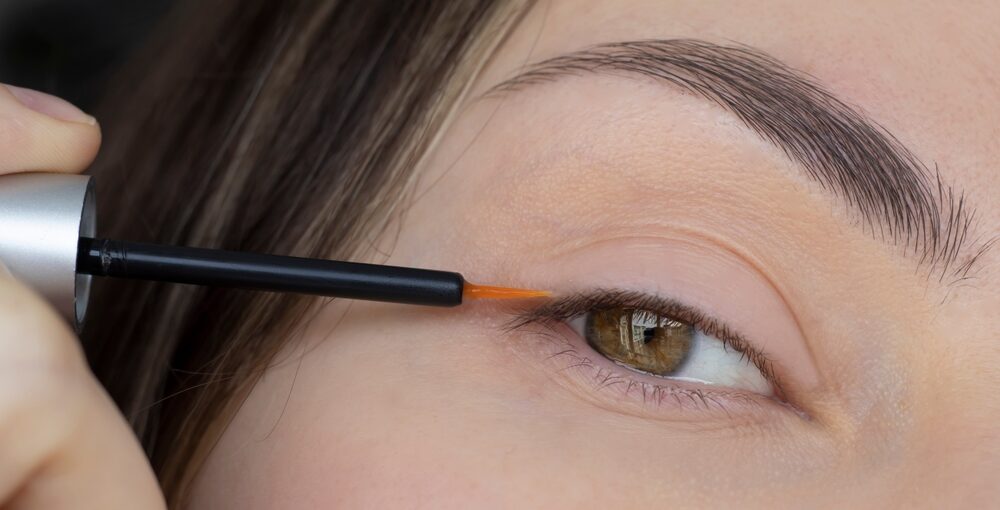
There is an FDA-approved topical treatment for eyelash hypotrichosis designed to increase lash growth. The prescribing information outlines usage instructions, risks, and safety considerations (U.S. Food & Drug Administration, 2012).
This option requires medical evaluation and is not appropriate for everyone.
4. Nutritional Optimization
When deficiency is confirmed, correcting it may support regrowth. The NIH Office of Dietary Supplements provides guidance on iron and other nutrients related to hair health (NIH Office of Dietary Supplements, 2025).
Again, supplementation without testing is discouraged.
5. Professional Aesthetic Support
Some individuals choose structured aesthetic treatments to support follicle health. If you are exploring supervised options, you can review aesthetics page for more information.
How Long Does Regrowth Take?
Eyelashes grow slowly.
Most people may notice:
- Reduced shedding first
- Fine regrowth along lash line
- Visible density improvement after 8–12 weeks
Full recovery may take several months depending on the cause. Patience is critical. Switching products frequently can delay assessment of what is actually working.
What to Avoid During Recovery
Avoid:
- Layering multiple growth serums
- Applying products too close to the eye margin
- Ignoring persistent eyelid irritation
- Over-supplementing
- Continuing damaging cosmetic practices
Consistency and gentle care matter more than aggressive treatment.
Frequently Asked Questions
1. How do I know if my hair shedding is stress-related?
Stress-related hair shedding often appears two to three months after a major stressor such as illness, surgery, rapid weight loss, or emotional strain. It typically affects the entire scalp rather than forming patchy bald spots. A professional evaluation can help confirm whether the pattern matches telogen effluvium or another condition.
2. How long does stress-related hair shedding usually last?
In many cases, shedding lasts three to six months before gradually slowing down. Once the underlying trigger is addressed, the hair cycle often resets and regrowth begins. Persistent shedding beyond six months may require further assessment.
3. Will my hair grow back after stress-related shedding?
Most cases are temporary and reversible because the hair follicles remain intact. Regrowth typically begins after shedding stabilizes, though it may take several months to notice visible improvement.
4. Should I take supplements to stop hair shedding?
Supplements may help if a confirmed deficiency is present, but taking vitamins without testing can be unnecessary or unhelpful. It’s best to consult a qualified provider to determine whether lab testing or targeted treatment is appropriate.
5. Where can I find hair recovery services in Saraland, AL?
You can find nearby hair recovery services using the Google Business Profile, where you can check directions, business hours, and verified local reviews before scheduling a consultation.
The Verdict
Eyelash thinning causes and treatment depend on identifying the root trigger. Inflammation, cosmetic habits, hormonal shifts, stress, and nutrient gaps are among the most common contributors.
Most cases improve once the underlying issue is addressed and follicles are protected from further irritation. A measured, evidence-informed approach is more effective than reacting quickly with multiple new products. If thinning persists or worsens, structured evaluation can clarify the cause and guide next steps.
To explore aesthetic options, visit our aesthetics page. You can also browse additional educational topics in our blog archive.
Medical Disclaimer
This content is for educational purposes and is not medical advice. Eye and eyelid conditions can require professional diagnosis and treatment. Consult a qualified healthcare professional for personalized recommendations.