
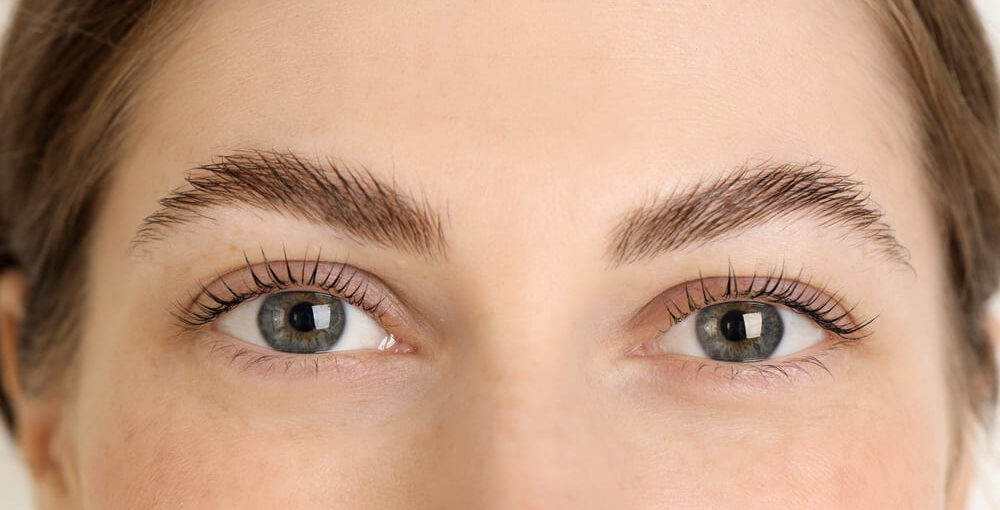
What Is Latisse and How Does It Help Eyelashes Grow?
If you have noticed your lashes looking thinner, shorter, or less full than they used to, you are not imagining it. Eyelash thinning is common, and many people spend years trying mascaras, lash serums, and falsies without addressing the root issue. What is Latisse, and why does it work when so many other options fall short?
The answer comes down to one key difference: Latisse is the only FDA-approved prescription treatment clinically proven to grow eyelashes. In this guide, you will learn exactly how it works, what to expect, and whether it might be the right option for you.
What Is Latisse?
Latisse is the brand name for bimatoprost ophthalmic solution 0.03%, a prescription medication approved by the U.S. Food and Drug Administration specifically for growing eyelashes. It was originally developed as a glaucoma medication. Doctors noticed that patients using it for eye pressure were growing noticeably longer, darker, and fuller lashes as a side effect. That observation eventually led to FDA approval for eyelash growth in 2008.
Unlike drugstore lash serums that condition or coat the lashes you already have, Latisse works at the follicle level. It does not just make your existing lashes look better for a day. It actually changes how your lashes grow over time.
It is worth being clear about what makes this treatment different: Latisse is a prescription product. You cannot buy it over the counter, and you should not use it without a provider consultation. That is actually a feature, not a limitation. The prescription requirement means a qualified provider reviews your health history and confirms you are a safe and appropriate candidate before treatment begins.
How Does Latisse Work on the Eyelash Growth Cycle?
To understand how Latisse works, it helps to understand how eyelashes grow naturally.
According to a peer-reviewed article published in the Journal of Optometry, your lashes go through three distinct phases (Aumond & Bitton, 2018):
- Anagen (growth phase): This is when active growth happens. Each lash is being built from the follicle. This phase lasts roughly 30 to 45 days for eyelashes.
- Catagen (transition phase): Growth stops and the follicle begins to shrink. This phase lasts about two to three weeks.
- Telogen (resting phase): The lash rests and eventually sheds, making room for a new one. This phase can last up to 100 days.
The problem for people with thin or sparse lashes is often that too many follicles are in the resting or shedding phase at once, or that the active growth phase is too short to produce a long lash before it falls out.
According to NIH StatPearls, bimatoprost works by increasing the proportion of hair follicles in the anagen phase while decreasing those in the telogen phase, which allows more lashes to grow simultaneously and for longer (Patel et al., 2025). The bimatoprost in Latisse binds to prostaglandin receptors in the hair follicle and signals the follicle to stay in the growth phase longer. The result is lashes that grow longer before shedding, grow in greater numbers at the same time, and produce more pigment, making them appear darker.
This is a biological change, not a cosmetic coating. That is why the results look natural and why they take consistent use over several weeks to become visible.
What Results Can You Realistically Expect?
The FDA-approved prescribing label for Latisse confirms the following results measured in the pivotal 16-week clinical trial (U.S. Food and Drug Administration, 2021):
- 78% of participants saw a significant increase in lash length
- 106% average increase in lash fullness
- 18% increase in lash darkness
Most people start to notice early changes around weeks four to eight. Fuller, more visible results typically appear between weeks 12 and 16. The most complete results are seen at the 16-week mark with consistent daily use.
There is one important thing to understand about Latisse results: they are not permanent on their own. Because Latisse works by altering an active biological process, the lashes return to their previous state gradually if you stop using it. Most people who are happy with their results continue using Latisse on a maintenance schedule, often reducing to a few times per week once the desired length and fullness are achieved.
Who Is a Good Candidate for Latisse?
Latisse is appropriate for adults who want to grow longer, fuller, and darker eyelashes and who do not have specific contraindications that would make it unsafe.
You may be a good candidate if you:
- Have naturally short, thin, or sparse lashes and want meaningful improvement
- Have experienced lash thinning related to aging, hormonal changes, or medical treatments
- Want a clinically proven option rather than cosmetic serums with unverified results
- Are comfortable with a daily application routine and realistic about a gradual timeline
Latisse may not be appropriate if you:
- Are pregnant or breastfeeding
- Have a history of certain eye conditions or elevated intraocular pressure
- Have active eye infections or inflammation at the time of treatment
- Are currently using certain glaucoma medications, as bimatoprost may interact
A provider consultation is the only way to confirm whether Latisse is right for your specific situation. At Drip Lounge and Wellness, aesthetic consultations are available both in-office and via telehealth, so the process is accessible regardless of your schedule.
Are There Any Side Effects to Know About?
Latisse is FDA-approved and considered safe when used as directed under provider supervision. That said, like any prescription treatment, it does carry a list of potential side effects that you should understand before starting.
Common side effects reported in clinical trials:
- Mild eye redness or irritation, particularly in the first few weeks
- Itching at the application site
- Skin darkening along the upper lash line, which is usually subtle and reversible when treatment stops
Less common but important to know:
- Increased brown pigmentation of the iris in people with mixed or lighter colored irises. As noted in the FDA prescribing information, this change may be permanent and is more associated with direct eye drop use for glaucoma than with correct cosmetic lash application (U.S. Food and Drug Administration, 2021).
- Temporary vision changes if the solution enters the eye directly
The risk of significant side effects is low when Latisse is applied correctly along the lash line rather than directly into the eye. Following application instructions precisely and working with a qualified provider significantly reduces the likelihood of adverse effects.
If you experience persistent irritation, swelling, or any changes in vision, discontinue use and contact your provider.
Latisse vs Over-the-Counter Lash Serums
This question comes up often, and the difference matters more than most people realize. If you have been exploring your options, you may also want to read about natural methods to grow longer, fuller eyelashes to understand how they compare.
| Feature | Latisse | OTC Lash Serums |
|---|---|---|
| FDA approval for lash growth | Yes, since 2008 | No |
| Active ingredient | Bimatoprost 0.03% (prescription) | Peptides, vitamins, conditioning agents |
| How it works | Extends the active growth phase at the follicle level | Conditions and coats existing lashes |
| Clinical evidence | Peer-reviewed trials submitted to FDA | Limited or no independent clinical data |
| Requires prescription | Yes | No |
| Typical results timeline | 12 to 16 weeks | Varies, often minimal |
| Results when stopped | Lashes gradually return to baseline | Lashes return to baseline immediately |
Over-the-counter serums are not useless. Many contain good conditioning ingredients that reduce breakage and improve the appearance of existing lashes. But they do not change how your lashes grow. If you want actual new growth, longer lashes from the follicle, and measurable density improvement, Latisse is the only option with the clinical evidence to back that up.
Frequently Asked Questions
1. How long does it take for Latisse to work?
Most people notice early changes between weeks four and eight of daily use. Full, visible results are typically seen at the 12 to 16 week mark. Consistency with daily application is the single biggest factor in how quickly you see results.
2. Does Latisse work on the lower lashes too?
Latisse is applied only to the upper lash line. However, because your lower lashes come into contact with your upper lashes through normal blinking, many people notice some improvement in lower lash appearance as well. Direct application to the lower lid is not recommended.
3. What happens if I stop using Latisse?
Your lashes will gradually return to their previous appearance over several weeks to months. Latisse works by maintaining an active biological process, so when you stop using it, the process returns to its natural state. Many people maintain results by reducing to a few applications per week rather than stopping entirely.
4. Can I wear eye makeup while using Latisse?
Yes. Most people continue wearing mascara and eye makeup while using Latisse. The key is to always remove makeup before applying Latisse at night and to allow the solution to absorb fully before applying anything else to the eye area.
5. Is a prescription required, and where can I get one?
Yes, Latisse requires a prescription because it is a pharmaceutical-grade medication. A consultation with a qualified provider is the first step. If you have questions about whether Latisse is right for you, our team at Drip Lounge and Wellness is here to help.
Latisse at its core
It is the most clinically proven option available for people who want to grow longer, fuller, and darker eyelashes from the follicle up. It is not a mascara, not a conditioning serum, and not an extension. It is a prescription treatment backed by FDA approval and peer-reviewed clinical data showing real, measurable results.
If you have tried over-the-counter lash products without the results you were hoping for, or if you are dealing with thinning lashes and want a solution that actually addresses the root cause, Latisse is worth a serious conversation with a qualified provider.
If you are ready to take the next step, reach out to our team at Drip Lounge and Wellness to schedule a consultation and discuss your options.
References
Aumond, S., & Bitton, E. (2018). The eyelash follicle features and anomalies: A review. Journal of Optometry, 11(4), 211-222. https://pmc.ncbi.nlm.nih.gov/articles/PMC6147748/
Patel, B., Lopez, M., & Joos, Z. (2025). Anatomy, head and neck: Eyelash. In StatPearls. National Library of Medicine. https://www.ncbi.nlm.nih.gov/books/NBK537278/
U.S. Food and Drug Administration. (2021). Latisse (bimatoprost ophthalmic solution) 0.03% prescribing information. https://www.accessdata.fda.gov/drugsatfda_docs/label/2021/022369s014lbl.pdf
Medical Disclaimer
The information in this post is provided for educational purposes only and is not a substitute for professional medical advice, diagnosis, or treatment. Latisse requires a prescription and is not suitable for everyone. Always speak with a licensed healthcare provider about your individual health needs before beginning any prescription treatment program.